
- Orest Pelechaty, OMD, AP, L.Ac., Integrated Holistic Medicine1-201-537-3070
Follow Us!


- Sign up to receive news and updates and get my free report:“The Top 10 Reasons to Try Acupuncture”


Diet
Holiday Recipes with Essential Oils
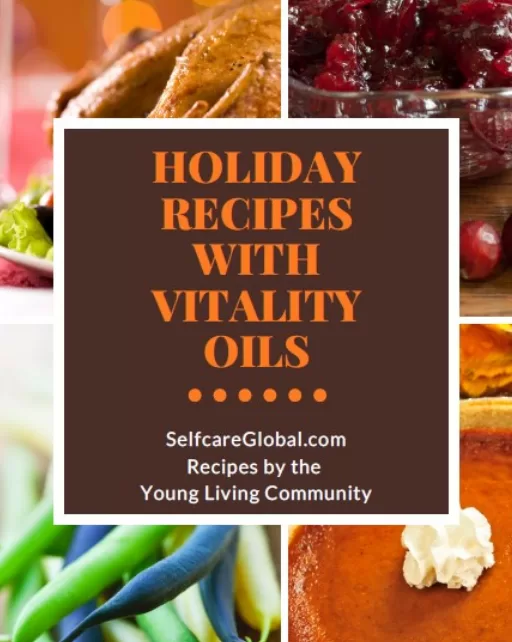
Click the image above to browse the collection!
Spice up your life this holiday season!
Not only are essential oils powerful tools in the holistic medicine toolbox, but they can take your cooking to a whole new level.
There are three categories of essential oils used in cooking: herbal, spices, and citrus.
1. Herbal
Using herbal essential oils is an excellent way to flavor foods and take the vitality of a dish up a notch! Remember to add the essential oil to foods in the end of cooking, so that it will not boil away. This way the oils keep their vibrancy and have health benefits.
(e.g. Basil, oregano, thyme, rosemary, lavender, lemongrass, peppermint, and spearmint.)
2. Spice
These spice oils are quite strong, so it is a good idea to use them sparingly. Only use a drop or two, and remember to taste along the way.
GREAT TIP: Dip a toothpick in the oil bottle and then stir the food with the toothpick. That tiny drop may be all you need to achieve the taste you desire!
(e.g. Black pepper, cinnamon bark, clove, ginger, carrot seed, celery, and dill)
3. Citrus
Citrus oils are invigorating and delicious. Adding zesty drops to guacamole, seafood, dressings, or desserts gives foods delicious zing.
(e.g. orange, lemon, lime, Citrus Fresh, bergamot, and tangerine.)
Check out our collection of recipes and try them for yourself! We’d love to hear how it goes! Click below!
Holiday Recipes with SCG
When Your Next Meal is Part of the Treatment Plan

For many chronic health issues, everyday exposures matter most. Food isn’t only fuel. It’s raw material, signaling molecules, and a daily set of “instructions” your body reads repeatedly.
The idea of food as medicine isn’t new. It shows up in traditional healing systems, in public health, and increasingly in modern clinical research. The most useful way to think about it today is practical and evidence-based:
- Food can reduce risk (primary prevention).
- Food can support treatment alongside medical care (adjunct therapy).
- Food can change symptoms by affecting inflammation, blood pressure, lipids, glucose, the gut microbiome, and even brain signaling.
It won’t replace necessary medications or procedures. But in many cases, it can meaningfully shift the trajectory of health and sometimes quickly. continue reading
Why Hydration Is Essential for Life

In our busy lives, it’s easy to underestimate the silent, vital role water plays. We often think of hydration as something necessary only when we’re exercising or sweating profusely. But hydration is critical to everyday health, affecting nearly every system in our bodies. continue reading
The Benefits of the Anti-Inflammatory Diet

When people face a variety of health challenges or simply changes in how they feel and their relationship to food, they may change their philosophy and look to food as medicine. And for those diligent enough to do the research, they may discover the anti-inflammatory diet—a nutritional approach that some say has transformed their life. continue reading
The Benefits of Eating for the Seasons

Restaurants that have revolving seasonal menus have gained in popularity in recent years. The concept of seasonal eating has deep roots. Before the advent of modern agriculture and global trade, people naturally consumed foods that were locally available during specific times of the year. But today, the convenience of supermarkets allows us to eat almost any fruit or vegetable year-round. While this accessibility is convenient, it disconnects us from the natural cycles of food and may not always be the healthiest or most sustainable choice. Let’s delve into the benefits of eating for the seasons and how it can transform your health, environment, and culinary experience. continue reading